MATHEMATICAL THINKING
Make numbers mean something.
Quantities, fractions, budgets, distance, patterns, area and scheduling become decisions students can see and test.

OUR DESIGNED LEARNING FACTORIES
Explore our growing collection of visual factories, from foundation activities to next-level challenges. Students change rules, test ideas and explain results in our school learning portal.
MATHEMATICAL THINKING
Quantities, fractions, budgets, distance, patterns, area and scheduling become decisions students can see and test.
SCIENTIFIC THINKING
Light, motion, circuits, energy and sensors invite observation, fair tests, comparison and explanations supported by evidence.
Explore the factory collection
Illustrated activity previews. Full interactive missions and student progress are available through the school learning portal.
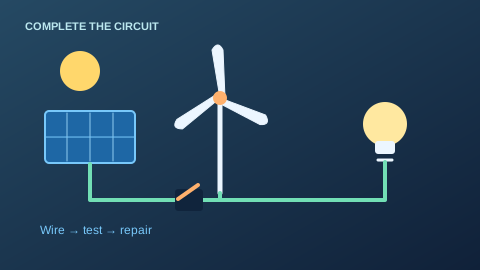
build a light, run a fan, explore solar and wind energy, and fix broken circuits. Eight visual missions.
Thinking in action
Circuits, energy conversion and testing
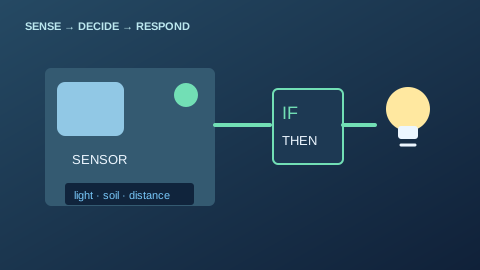
explore light, soil, water, temperature and distance sensors through six animated automation missions.
Thinking in action
Measurement, thresholds and cause and effect
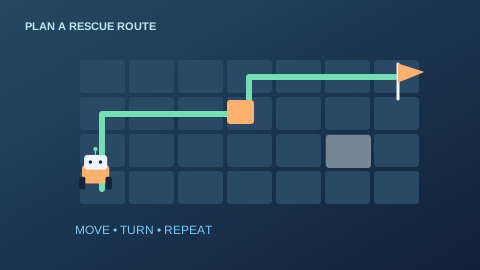
program a rescue robot with movement, turns, pick-up commands, obstacles, repeat blocks and debugging. Six animated missions.
Thinking in action
Sequencing, spatial planning and debugging
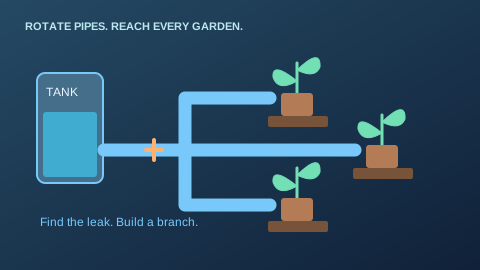
place and rotate pipes, discover leaks, build branches and bring water to six village gardens.
Thinking in action
Spatial reasoning, branching and resource planning
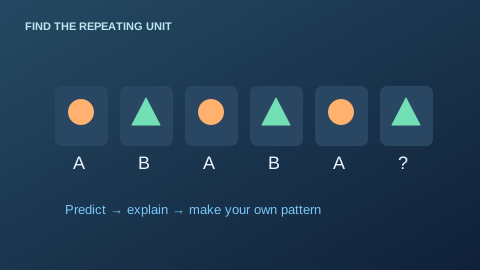
discover action, shape, rhythm and growing patterns; repair errors and invent a repeating rule. Six visual missions.
Thinking in action
Repeating units, growing patterns and rule creation
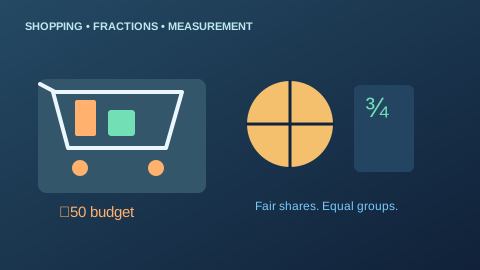
plan shopping, share pizza, pack gifts, balance weights, design fences and schedule a school fair. Six practical maths missions.
Thinking in action
Quantities, fractions, budgets, area and time
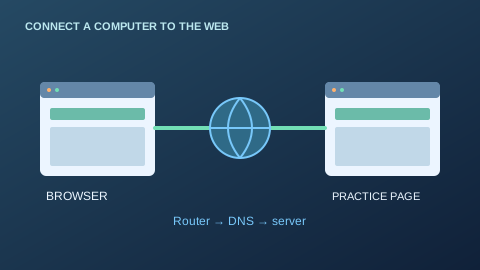
connect power and Wi-Fi, explore the internet, follow a web request, build a page and publish to a practice domain.
Thinking in action
Systems, sequencing and digital creation
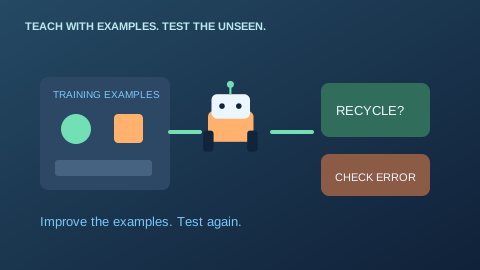
teach a machine with examples, test unseen objects, inspect mistakes and improve its learning. Six compact AI literacy missions.
Thinking in action
Examples, classification and error analysis
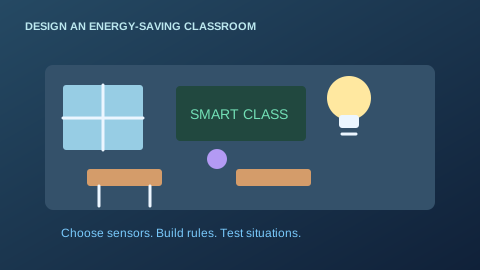
design an energy-saving classroom. Choose devices and sensors, create your own rules, test six situations and save your design portfolio.
Thinking in action
Constraints, energy budgets and system design
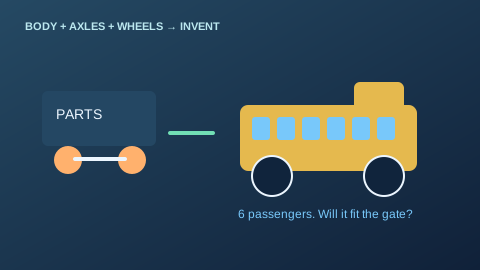
connect bodies, axles and wheels; test a parcel delivery car, then invent a six-passenger school bus that fits through the gate.
Thinking in action
Mechanisms, dimensions and design testing
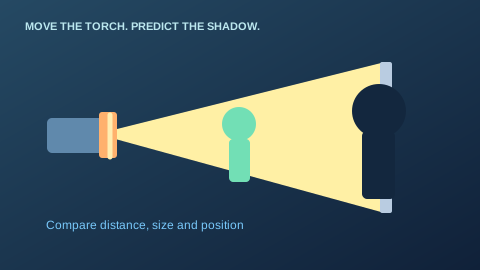
predict, move a torch, investigate growing and shrinking shadows, then create a three-moment shadow puppet scene.
Thinking in action
Light, geometry, variables and observation
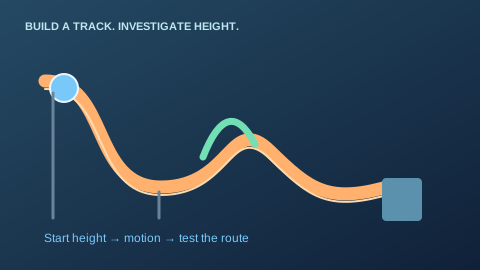
connect a marble track, investigate starting height, then invent a route through a tunnel and bell into a cup. Saved tests and design replays.
Thinking in action
Motion, height, energy and experimentation
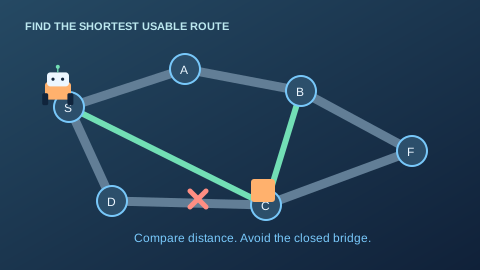
help Mira return a book, avoid a closed bridge and collect a parcel. Walk equal steps, compare three routes and choose the shortest usable path.
Thinking in action
Distance, routes and optimisation
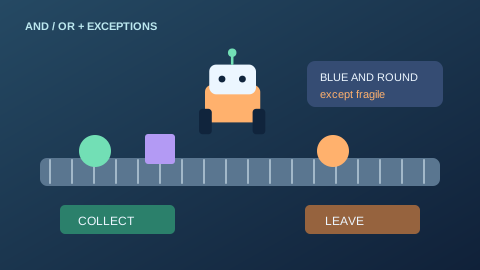
Four visual missions: build rule cards, watch a robot inspect and sort, debug exceptions and invent a collection with a new-object prediction.
Thinking in action
Conditions, classification and debugging
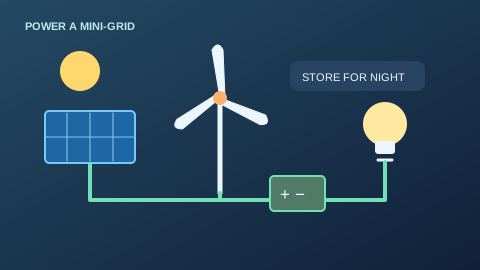
Four graphical missions: wire solar, wind and storage; test changing weather; charge before night; design power priorities for a resilient mini-grid.
Thinking in action
Circuits, energy conversion and testing
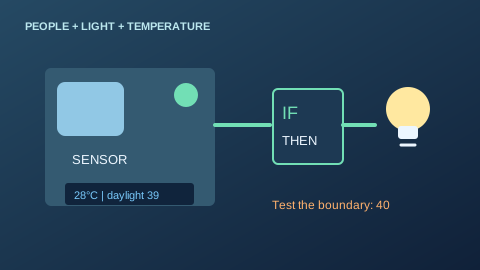
Four missions: combine sensor readings, coordinate outputs and test exact boundary values.
Thinking in action
Measurement, thresholds and cause and effect
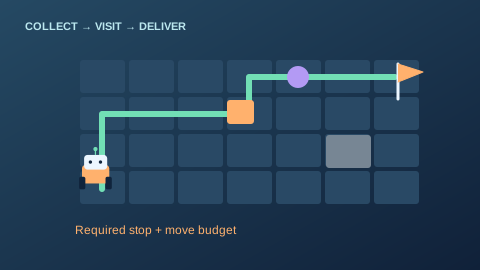
Four missions: collect supplies, visit required stops, reuse commands and debug routes.
Thinking in action
Sequencing, spatial planning and debugging
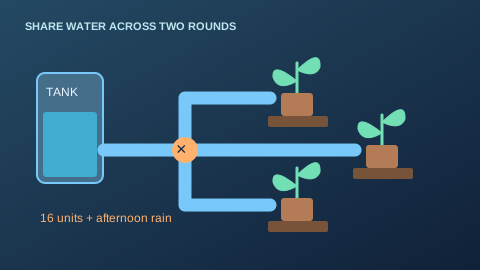
Four missions: allocate limited water, repair a leak and plan two watering rounds.
Thinking in action
Spatial reasoning, branching and resource planning
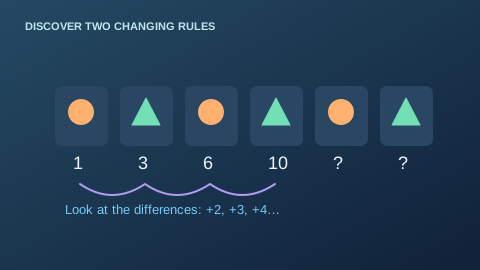
Four missions: dual-feature patterns, growing differences and an original repeating challenge.
Thinking in action
Repeating units, growing patterns and rule creation
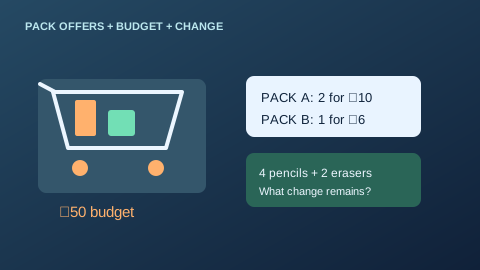
Four missions: compare pack offers, buy exact quantities, manage a budget and calculate change.
Thinking in action
Quantities, fractions, budgets, area and time
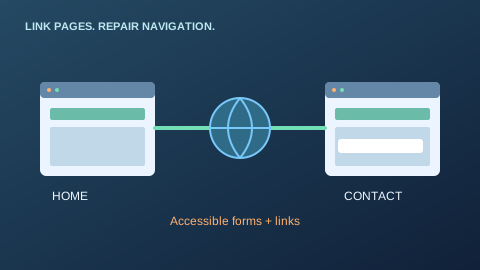
Four missions: linked pages, accessible practice forms, navigation repair and simulated publishing.
Thinking in action
Systems, sequencing and digital creation
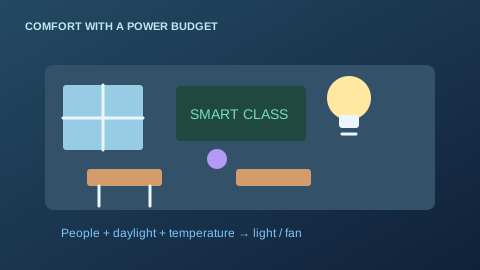
Four missions: coordinate classroom devices, sensors, comfort needs and a power budget.
Thinking in action
Constraints, energy budgets and system design
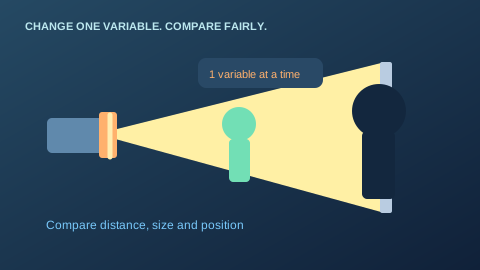
Four missions: change one variable, record observations, compare fairly and create a shadow scene.
Thinking in action
Light, geometry, variables and observation
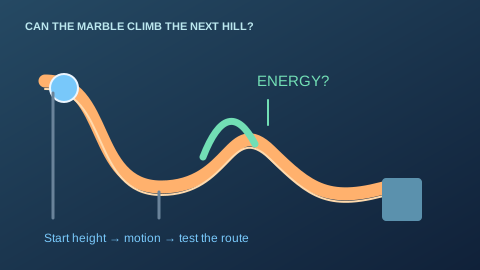
Four missions: plan track levels, investigate uphill energy and invent a six-piece adventure.
Thinking in action
Motion, height, energy and experimentation
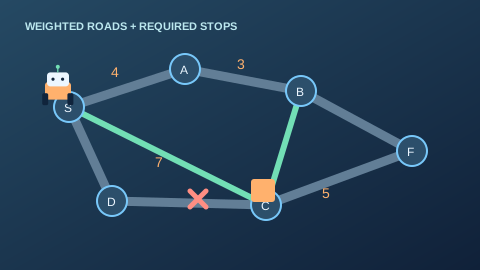
Four missions: weighted roads, closed links, required stops, collection order and return trips.
Thinking in action
Distance, routes and optimisation
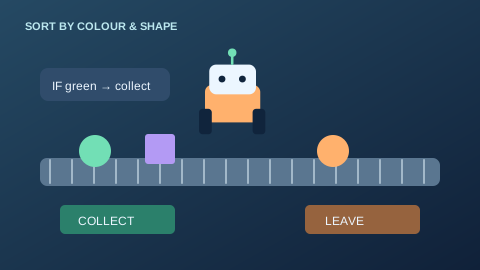
17 missions: colours, shapes, sizes, AND/OR and debugging.
Thinking in action
Conditions, classification and debugging
THE DISCOVERY NEVER STOPS
More puzzles to investigate. More rules to invent. More ways to think.
We continue developing visual factories, maths and science challenges, and hands-on skill-building activities. This collection will keep growing with new ideas, deeper challenges and fresh opportunities to create.
Discover what’s next for your schoolFoundation and Grade 5 extensions demonstrate the progression: combine rules, introduce constraints, test exceptions and create independently. Later grades connect these habits to programming, robotics, automation and applications. Additional factories and physical workshops are planned as the programme grows.
Request a guided portal demonstration